Journalists and other media workers in Uganda are often targeted in reprisal attacks because of their work, Chapter Four Uganda said today. The attacks include threats, verbal abuse, arbitrary arrest, physical attacks, and unlawful restriction of access to news sources. These crimes, which largely go unpunished, feed self-censorship, block the truth, and encourage impunity for more attacks.
Journalists play a vital role in our fragile constitutional democracy. They inform the public, expose corruption, and hold power to account. A free media is the backbone of transparency and citizen participation. It strengthens institutions and supports the rule of law.
When journalists are targeted, our democratic progress is weakened. Voices are silenced.
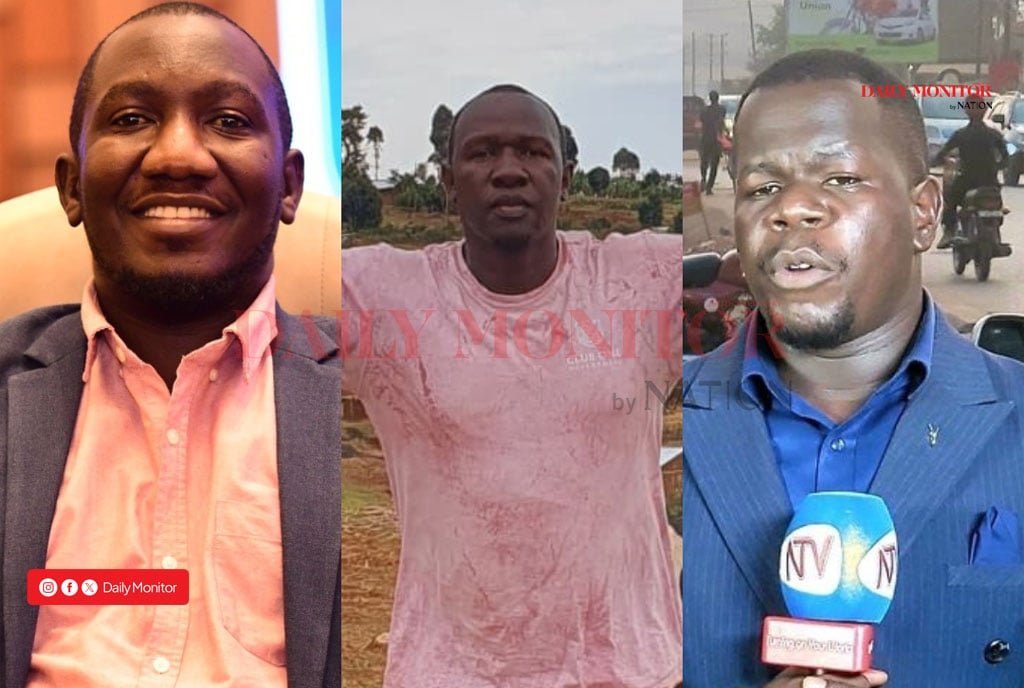
Beyond direct attacks against individual journalists, crimes against journalists often manifest through arbitrary and unlawful reprisal attacks against media houses. Recently, journalists from Nation Media Group-Uganda (NMG), including NTV Uganda and Daily Monitor, were barred from covering parliamentary sessions and presidential events, without any formal communication. These restrictions limit independent scrutiny, diverse viewpoints, and hinder informed public debate.
We call on the Ugandan government to immediately lift all such restrictions. Investigate attacks on journalists and hold perpetrators accountable. The government should further respect and protect editorial independence and ensure journalists can report without interference or fear.
Civil society and media institutions must unite in solidarity. We must shine a light on abuses and demand accountability. International partners should support civil society to strengthen protections for journalists.
Ending impunity is a shared responsibility. It is essential for human rights, democracy, development, thriving business, and peace.
On this day, we reaffirm our commitment to defend journalists and other media workers. Their safety is non-negotiable. Crimes against them must not go unanswered.